Table Of Content

The rule of visual weight is all about balancing the visual prominence of different elements in a room. Every object or element in a space carries a certain visual weight, which refers to how much attention it attracts compared to other objects. Understanding and manipulating the visual weight of objects is key to achieving balance in interior design. Symmetry is one of the foundational principles of interior design and involves creating balance by mirroring elements on either side of a central axis.
Enjoy The Beauty Of Symmetrical Interior Design In Your Bedroom
Miami Home Design Expert Luciana Fragali Strikes Balance of Art and Nature in Magical Ponce Davis Dream Home - Newswire
Miami Home Design Expert Luciana Fragali Strikes Balance of Art and Nature in Magical Ponce Davis Dream Home.
Posted: Thu, 30 Mar 2023 07:00:00 GMT [source]
Symmetrical balance lends itself to a more formal and ordered look, while asymmetrical balance creates a looser more eclectic feel,' says Cathrine Dal, from London-based design studio, Cat Dal interiors. In my experience, incorporating these different types of balance can really enhance the overall design of the space, making it a more inviting and appealing environment. Whether I’m designing a formal living room or a casual family space, I focus on maintaining visual balance by distributing furniture, lighting, and decorative elements evenly across the room. This ensures that every area is engaging and visually well-coordinated, reflecting a harmonious and pleasing atmosphere. It is important to understand Balance in interior design to create a harmonious and aesthetically pleasing space.
Things To Avoid While Designing Your Symmetrical Home Interiors
Patrick works with designers in the UK and North America, helping to bring their projects alive with the iconic, F&B color palette. Woven from jute, creating an inviting, tactile texture, this round, natural rug from Pottery Barn, can easily integrate into an array of styled spaces. Styling with symmetry is key for creating balance and good feng shui in the home, as it can help to make a room feel more neat, organized and cohesive.
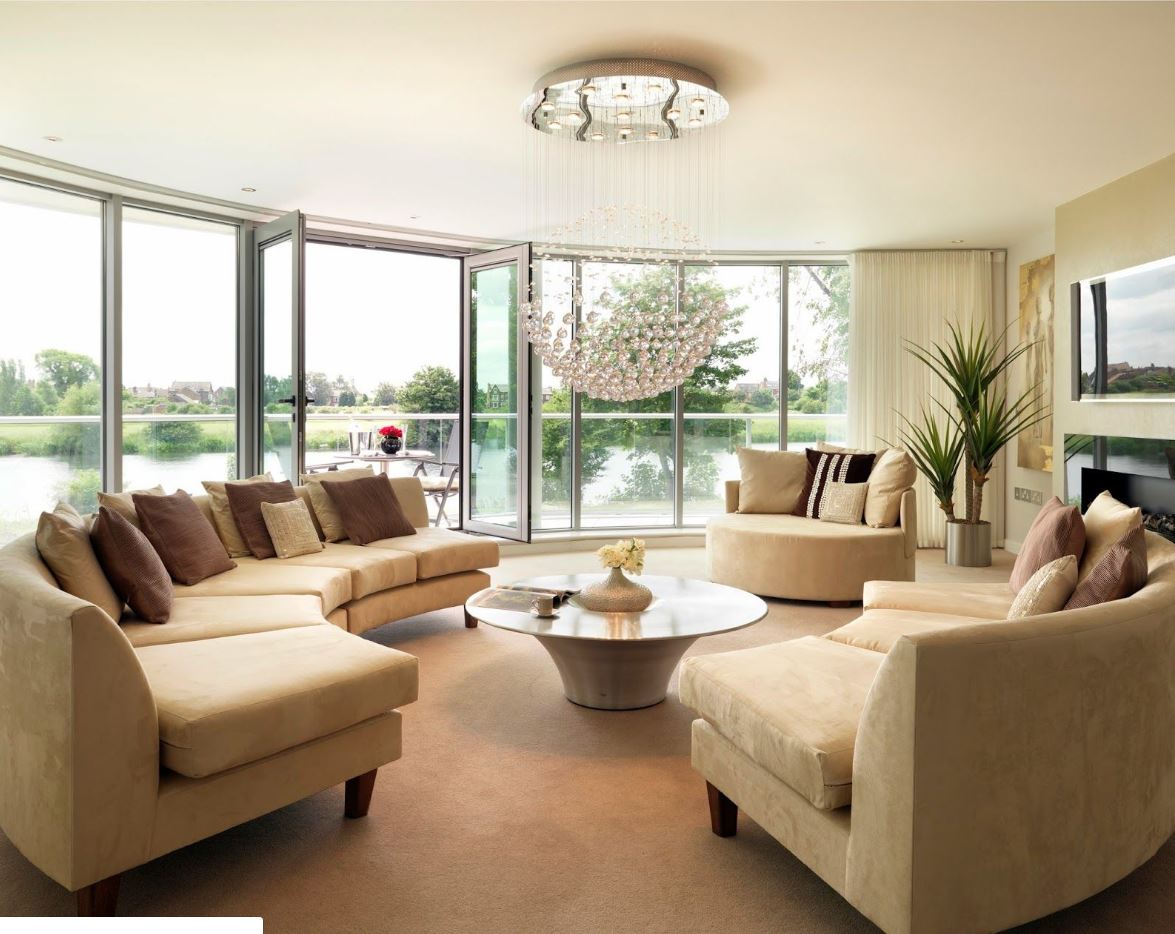
What is radial balance, and how does it differ from asymmetrical balance?
When correctly used, contrast can add visual interest to a space while pulling everything together to create a stunning space. When introducing contrast to a design, keep in mind that the opposing elements need to compete in a way that enhances each other, but must still work together to create a general harmony. It’s even seen in fashion, such as in Coco Chanel’s elegant black and white suits. Cohesiveness is important in a design scheme, but too much of the same risks everything blending together into a flat, monotonous space.
Radial balance
Take the central axis of this focal point and work outwards mirroring either side of it design elements such as furniture, lighting and objects. Planning out your spaces can be easy if you understand the principles of applying balance. It is key to making a room look visually stable by the simple placement of furniture, accessories, the use of colour and other elements such as form, and size. Without it you will end up a room that feels, and looks uncomfortable to be in. A room feels balanced when there is just the right mix of vintage and modern, dark and light, linear and curved, hard and soft - the contrasts are limitless. As shown above, this living room designed by SHH embraces the rules of symmetry to create a beautifully balanced design.
- Incorporating Textures and Materials for a Balanced Asymmetrical Design
When you achieve an equilibrium, there is a feeling of calm and also a slight intrigue and individuality to the space. Once you know the feeling you want to create, you can choose a type of balance that will help to achieve that goal. This will help identify which design elements to prioritize, allowing for a functional and comfortable environment. For example, in a living room, this is often the TV, and in a bedroom, it is usually the bed.
Designers may use one or more of these settings, including the principles of balance in interior design, to create their unique style, thus creating a structured, playful, and visually arresting space. You can, of course, implement both asymmetry and symmetry together, to create a more interesting and dynamic design scheme. The furniture, however, uses the unexpected use of asymmetry, which creates a more relaxed feel to the room. Although, generally speaking, the place where your eye falls first when you enter a room is the focal point.
Just like standing up straight, a great decor scheme requires good balance in its interior design. After all, achieving equilibrium is tantamount to giving your scheme a solid base – one that brings calm stability to various design elements with varying visual weights. In addition, I pay close attention to the scale and proportion of furnishings and décor. Large furniture pieces can be balanced with smaller accessories or artwork, while heavier items can be offset by lighter, airier elements. Selecting items carefully based on their size and proportion ensures the room doesn’t feel too cluttered or overwhelming. Radial balance revolves around a central point, wherein elements are arranged in circular or spiral patterns.
This can be achieved using various techniques and layouts, such as symmetrical and asymmetrical balance. Consider arranging furniture, lighting, and decor around a central point in each room to incorporate radial balance into your home’s interior design. Experiment with circular shapes, symmetrical arrangements, and complementary colors and patterns to create a visually harmonious and balanced space. Textures in Interior Designs can also enhance the asymmetrical balance in your interior space. Mixing different materials like wood, metal, glass, and fabric can add depth and visual interest to your living space.
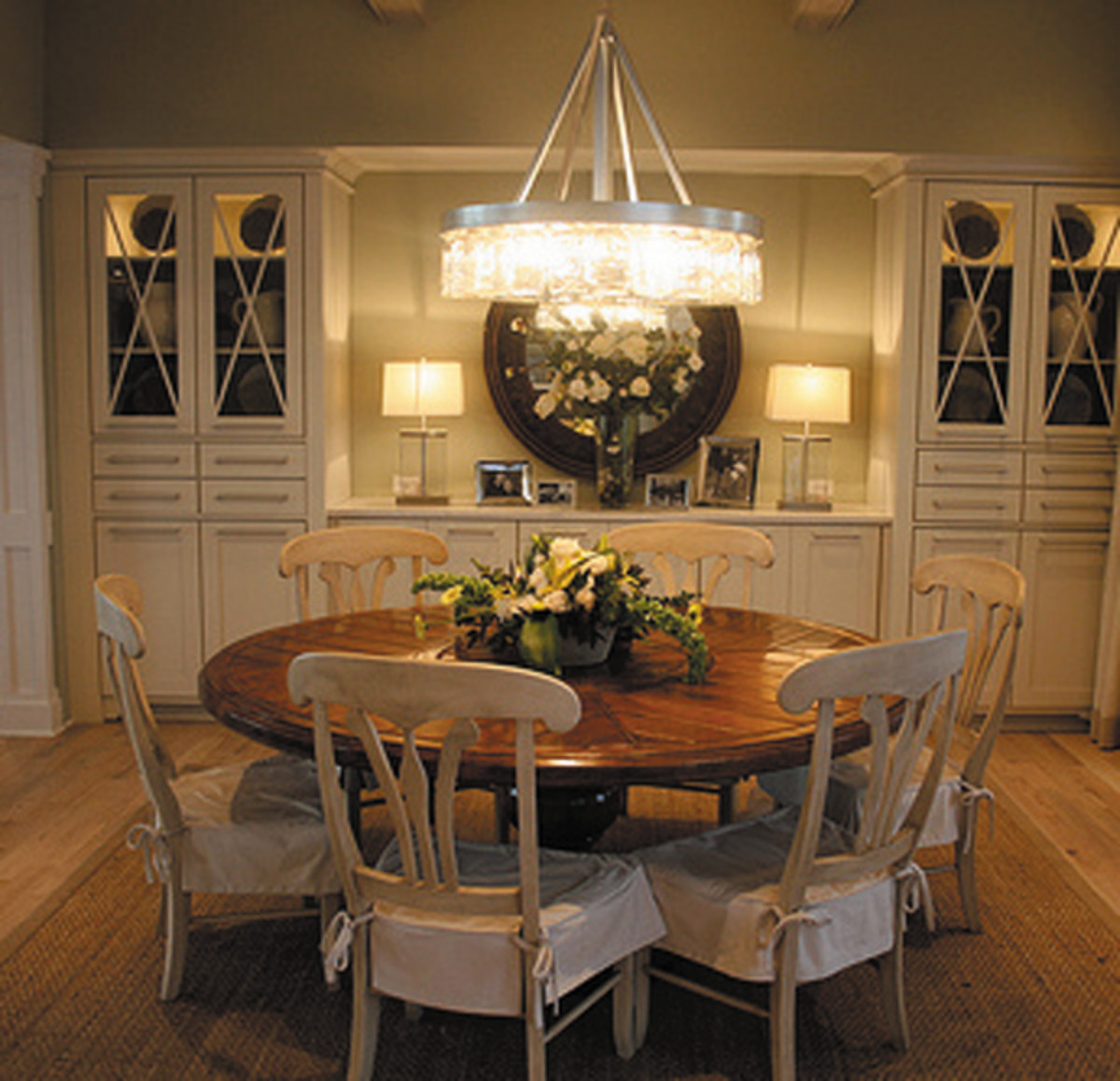
Radial balance is a popular option in bigger homes and in those with curved walls. As all other methods propose, the design starts off with a focal point, but then creates balance from the centre of the focal point outwards, like the rings outside of Saturn. This option can also be adapted to square or rectangular rooms where the focal point is in the middle of the room, like a fountain in the middle of a patio or a dining set in the centre of a dining room. When looking to create contrast, one should remember to let one colour dominate the scheme, while the other accents it. For example, this can be done by choosing one shade for the walls and the other for textiles, furniture and accessories. Ready to design a space that’s purposefully off-kilter and beautifully on point?
It requires a thoughtful consideration of the scale, proportion, and arrangement of elements within a space to achieve the desired level of visual harmony. Just as it sounds radial balance is almost circular – distributed arrangement of items around a central point either extending outward or inward. Common examples of radial balance translated to the interior environment include chairs centered around a table, the structure of a circular rotunda, or even a circular lighting fixture. If you wish to create focus on a central item, applying radial balance (so that the your attention is directed inward) is a great way to achieve this. Symmetrical balance is achieved when items are actually repeated or mirrored along a central axis.
Putting contrasting textures together can add visual weight to a space and works best when the contrasting textures are in close proximity. To avoid visual chaos and make asymmetry truly sing, always create continuity elsewhere. A cohesive color palette and tight selection of materials will make mis-matched furniture and an off-kilter layout feel curated instead of random.